The Secret Life Project – bringing biodiversity to life in schools
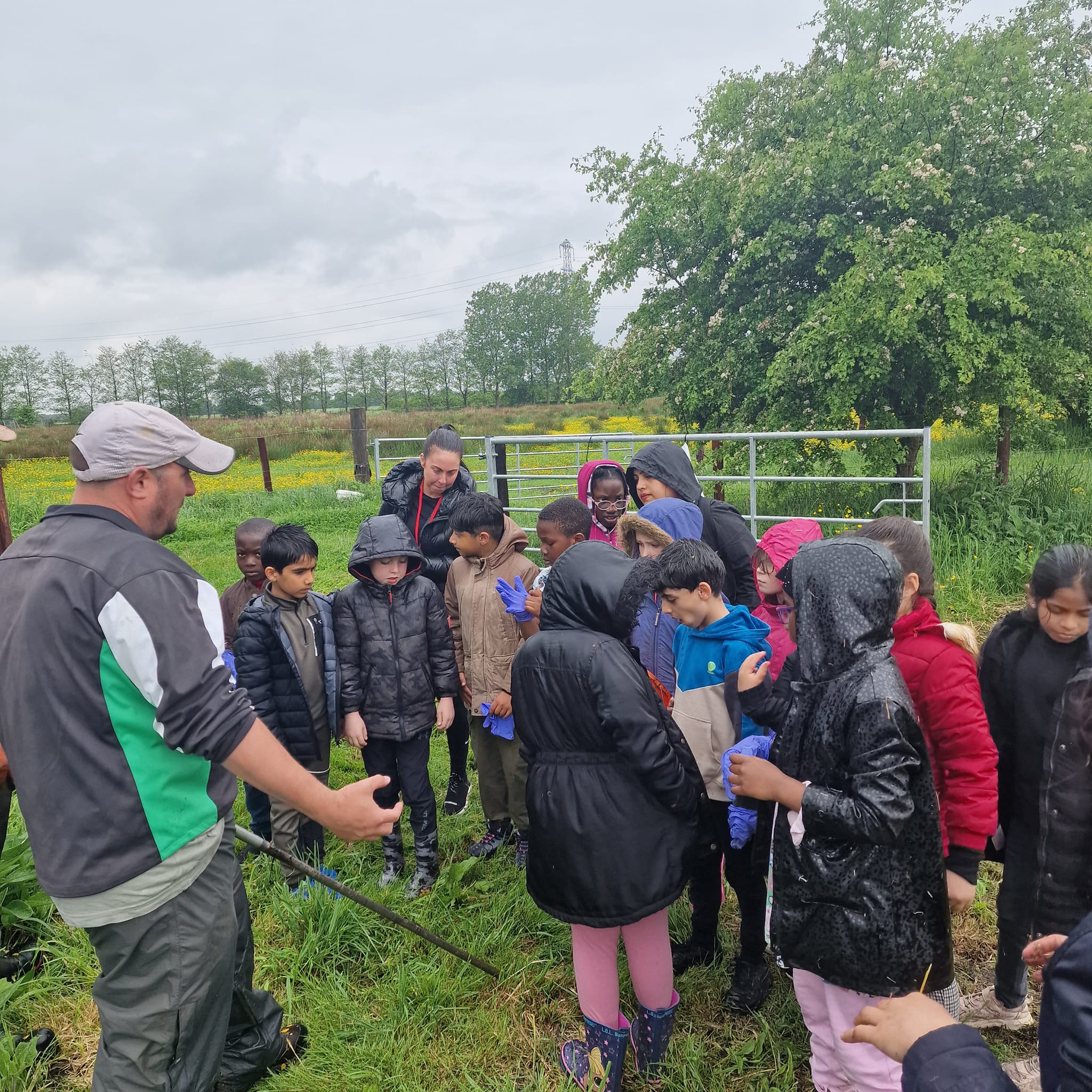
Farmer and educator Jannine McMahon shares how connecting children to local landscapes is helping them understand food, nature and their place within it.
What does biodiversity mean to a child growing up in an urban environment and how can schools bring it to life in meaningful, lasting ways? Through School Food Matters’ Secret Life Project, farmer and educator Jannine McMahon has been working with schools across Manchester to do just that.
By transforming school grounds into mini wildlife havens and connecting children to nearby landscapes like Chat Moss, the Secret Life Project is helping young people build a deeper understanding of nature, food and the environment around them.
As World Bee Day (20 May) encourages people to consider the vital role of bees and other pollinators in our ecosystem, we spoke to Jannine about the project, why biodiversity matters, and what happens when children are given the chance to explore it for themselves.
What is the Secret Life Project and what are you doing with schools in Manchester?
The Secret Life Project is all about biodiversity – enhancing it within school grounds and helping children understand what biodiversity actually means at a grassroots level.
That can look different depending on the age group. It might be as simple as planting flowers for pollinators, creating habitats or looking at how biodiversity changes through the seasons. Then we can scale that up by connecting it to places like Chat Moss and what’s happening in the wider landscape.
In schools, it’s really about encouraging pollinators, planting more flowers, and creating spaces where biodiversity can thrive.
Why do you think it’s important to talk to children about biodiversity?
If we want to care for the planet, we have to understand it and feel connected to it. You can’t really love or care for something if you’ve never experienced it.
It’s about creating that connection, through knowledge but also through experience. Take bees, for example. A lot of children are scared of them. But when they understand the role bees play in producing food, they start to feel compassion and respect.
It’s about reconnecting children with wildlife and helping them see that everything has a purpose. When they plant something, see butterflies arrive, or explore the soil and find insects, that curiosity grows naturally.
In one very urban school, we created planting areas in pots and raised beds. Before that, there was just concrete. Then birds, butterflies and insects started to appear. The children noticed it straight away – that sense of wonder is so important.
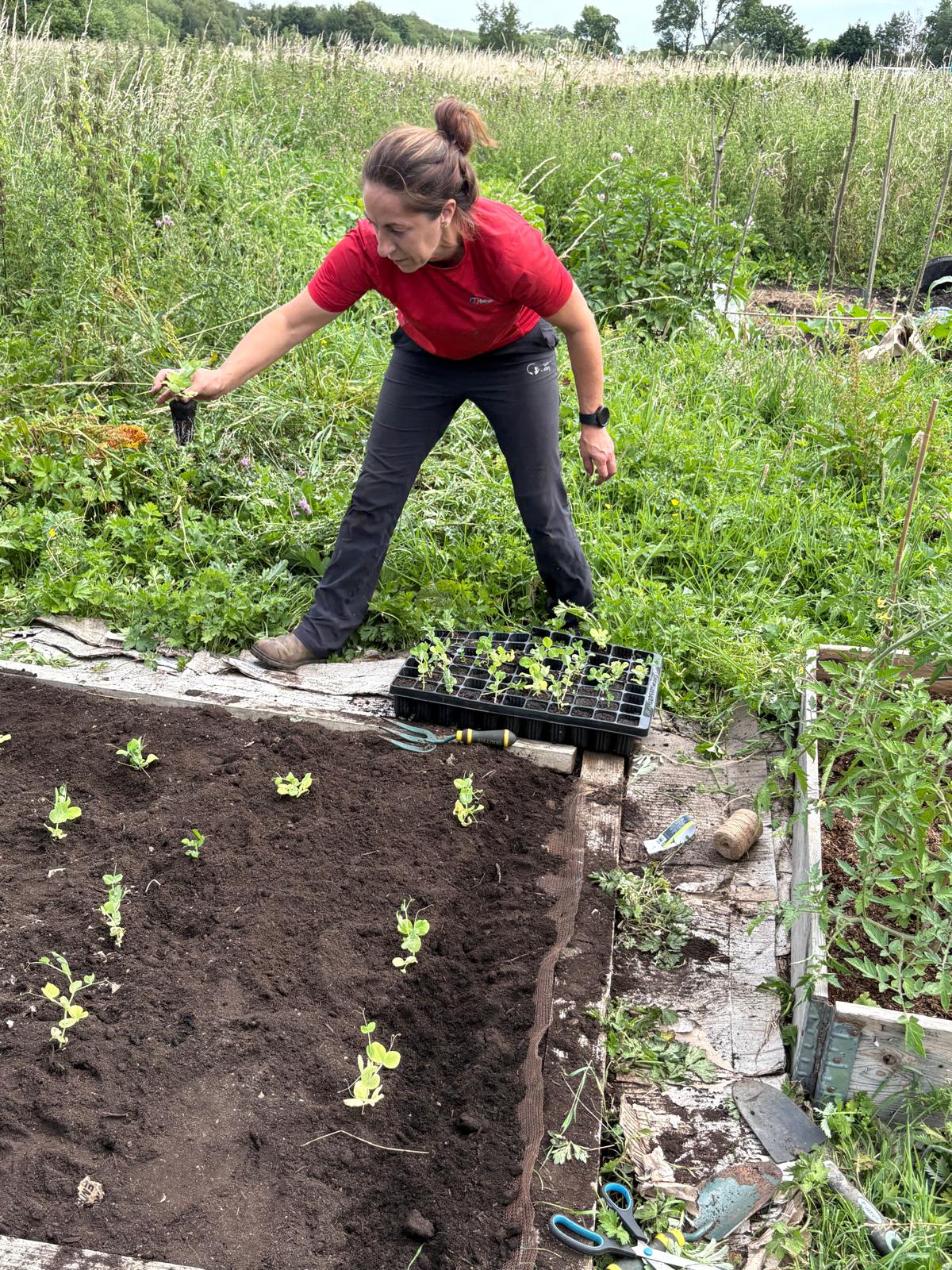
We keep the sessions child-led. When children explore, ask questions and follow their curiosity, that’s when the learning really sticks.
You’ve mentioned Chat Moss – what is it and why is it relevant to the project?
Chat Moss is basically the countryside of Salford. It’s a huge landscape with its own biodiversity and historically it was a market garden feeding Greater Manchester.
It’s also incredibly close (within about 8–10 miles of the schools I’m working with), yet many children don’t even know it exists.
It has species you wouldn’t find in urban areas and there’s a lot of work happening there to restore biodiversity and bring back species in decline. It’s also a major carbon sink which links into climate awareness.
By bringing Chat Moss into the sessions, it helps children see that biodiversity isn’t something far away, it’s right on their doorstep. We even did planting activities where children took plants home, creating a kind of corridor for wildlife between their homes, schools and the wider landscape. It’s about showing how everything is connected.
How does biodiversity link to food and growing education?
It all comes back to the food system and how we grow food. At Moss Lane Farm [where Jannine farms], we use agroecological methods, working with nature rather than against it. That means no chemicals or fertilisers because those damage the soil and the ecosystems within it. Intensive farming can harm biodiversity by killing insects and organisms that are essential to healthy soil.
With children, we often start from the soil up. If they can see worms and living organisms in the soil, that tells us it’s healthy. Soil isn’t just something you grow in, it’s a whole ecosystem.
So biodiversity is at the heart of food growing. Without it, we can’t grow food in a healthy, sustainable way.
Have there been any memorable moments from the sessions?
Worms! Children absolutely love worms. Some will say, “I used to hate worms but I love them now.” They’re fascinated by the different sizes and colours and learning how they live.
The same with bees – once they understand them, that fear starts to disappear. Then they want to help by planting flowers.
One class started comparing bees from different countries on their iPads. It just grew from there. That’s what you want: curiosity leading the learning. There’s no point just talking at them. When they can touch, smell, explore and ask questions, that’s when it really connects.
What are some simple ways schools can support biodiversity?
A lot of it starts with the teachers. When they reconnect with these ideas themselves, they’re more likely to carry it forward. It doesn’t have to be complicated. It’s about stepping slightly outside the traditional classroom approach and creating opportunities for hands-on learning. From there, it naturally grows into something bigger.
Many schools continue the activities – planting more flowers, supporting pollinators, or running gardening clubs.
Want to bring biodiversity to life in your school? We’ve created a simple, practical guide inspired by Jannine’s work – How to support biodiversity in your school – with ideas you can start straight away.
You can also explore our School Garden Grants programme and other schools gardening resources to support your growing projects.